Bihar may get 900 cusecs water as India, Bangladesh eye Ganga pact renewal
Bihar is expected to be allocated 900 cusecs of water during the lean season (January–May) to meet its drinking water and industrial needs, according to the final report of an internal committee formed to review the 1996 Ganges Water Sharing Treaty between India and Bangladesh. The treaty is set to expire by the end of this year.
The proposed allocation under a new treaty would partially help Bihar, as water would be available in drought-prone areas of South Bihar during the lean season, senior state government officials said.
Talks between the Indian and Bangladeshi governments are underway to renew the treaty or sign a fresh agreement, as the current treaty remains valid until December 12, 2026. An internal committee under the Union Ministry of Jal Shakti has been formed to review the 1996 treaty and formulate India’s strategy for its renewal beyond 2026, officials from the state Water Resources Department (WRD) said.
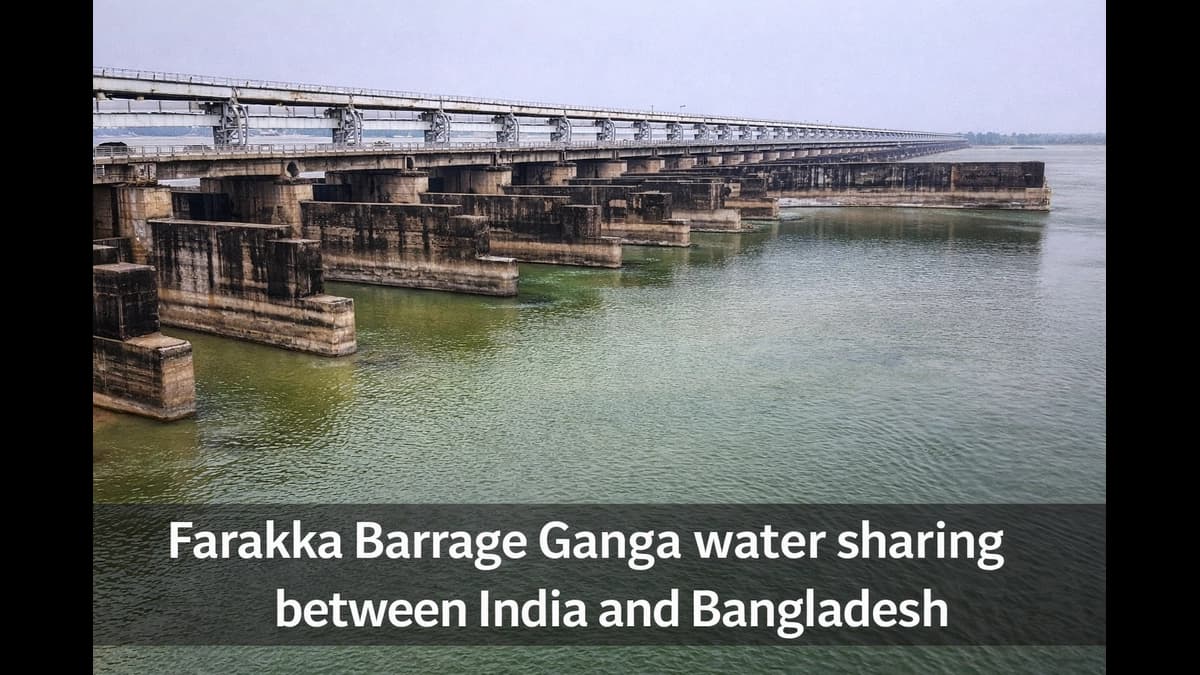
The treaty was signed on December 12, 1996, to share Ganga water at the Farakka Barrage. It was valid for 30 years and governs the international sharing of water between India and Bangladesh during the lean season (January–May), based on availability and not on internal state-wise allocation.
Officials clarified that there is no separate formal allocation of Ganga water for Bihar under the present treaty. Sources said the Bihar government had demanded 2,000 cusecs of water under the proposed new agreement for drinking and industrial requirements, but the internal committee has recommended 900 cusecs for the state.
Meetings have been ongoing between Bihar’s WRD and the Union Ministry of Jal Shakti to discuss various aspects of the Ganga water-sharing arrangement, as Bihar is a key stakeholder because the river flows through the state before entering Bangladesh.
In Bangladesh, the Ganga is known as the Padma.


