Jallikattu Festival
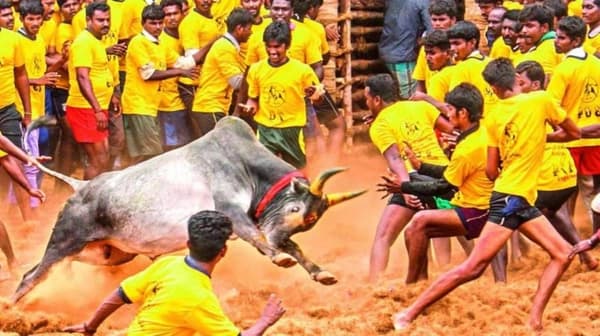
Jallikattu is a traditional bull-taming festival celebrated in the Indian state of Tamil Nadu, especially during the harvest festival of Pongal in the Tamil month of Thai (January). The word “Jallikattu” is derived from the Tamil words salli (coins) and kattu (bundle), referring to the prizes tied to the bull’s horns for participants. The festival has deep cultural, historical, and social significance and is considered a symbol of Tamil pride and identity.
Jallikattu dates back more than 2,000 years and is believed to have been practiced during the Sangam period. Traditionally, it was organized to display bravery, strength, and valor among young men, while also helping farmers identify strong bulls for breeding. Unlike bullfighting in other parts of the world, the bull is not killed. The objective is to hold onto the bull’s hump for a specified distance or duration as it charges through the arena.
The festival is mainly held in districts such as Madurai, Theni, Dindigul, and Sivagangai, with Alanganallur being one of the most famous venues. Indigenous cattle breeds like Kangayam, Pulikulam, and Umbalachery are specially reared for Jallikattu, and great care is taken by owners to maintain the health and strength of the bulls.
In recent years, Jallikattu has been at the center of legal and ethical debates regarding animal welfare. After a temporary ban, massive public protests in 2017 led to its revival under strict regulations to ensure the safety of both participants and animals. Medical teams, veterinarians, and safety measures are now mandatory during the event.
Today, Jallikattu is not just a sport but a celebration of Tamil culture, rural traditions, and agricultural heritage. It reflects the close bond between farmers and their cattle and continues to be a powerful expression of cultural continuity in modern India.


