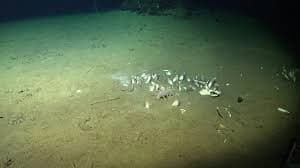
Scientists from Norway and the United States have discovered the deepest active methane seep ever recorded in the Greenland Sea. This seep has been found at a depth of 3,640 meters. It is known as a cold seep, where methane and other fluids slowly leak from the seabed.
According to scientists, such methane seeps play an important role in regulating the ocean’s temperature and help in understanding methane behavior. Methane is a powerful greenhouse gas, but in natural conditions, much of it dissolves in seawater before reaching the atmosphere.
Researchers say that studying these deep-sea methane seeps will help them better understand natural methane cycles and their impact on climate change.


